
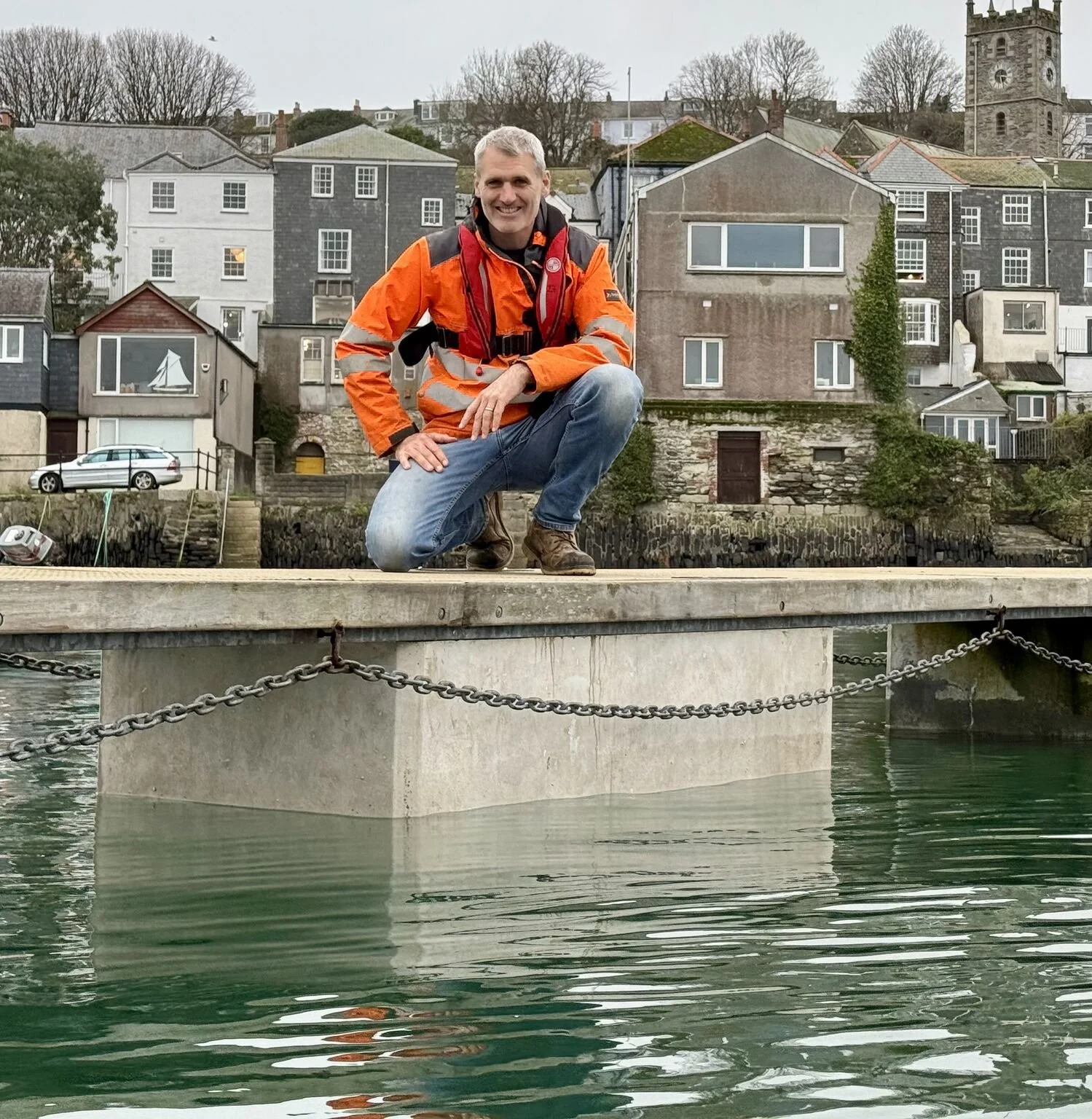
“I think it’s time we stopped putting EPS foam in the water as buoyancy.
Encasing EPS pontoon floats in plastic, concrete, or textile to stop the EPS from escaping relies on responsible marina owners. First, the floats need repair or replacement after 30 years or so. It’s also important that the old, damaged floats are properly disposed of, either recycled or sent to a registered landfill; and with landfill costs for EPS now more expensive than the cost of a new float, this can double the through-life costs of a float. We also need to consider the second-hand pontoon market, where old, damaged floats are sold locally, and the legacy problem is just pushed upriver.
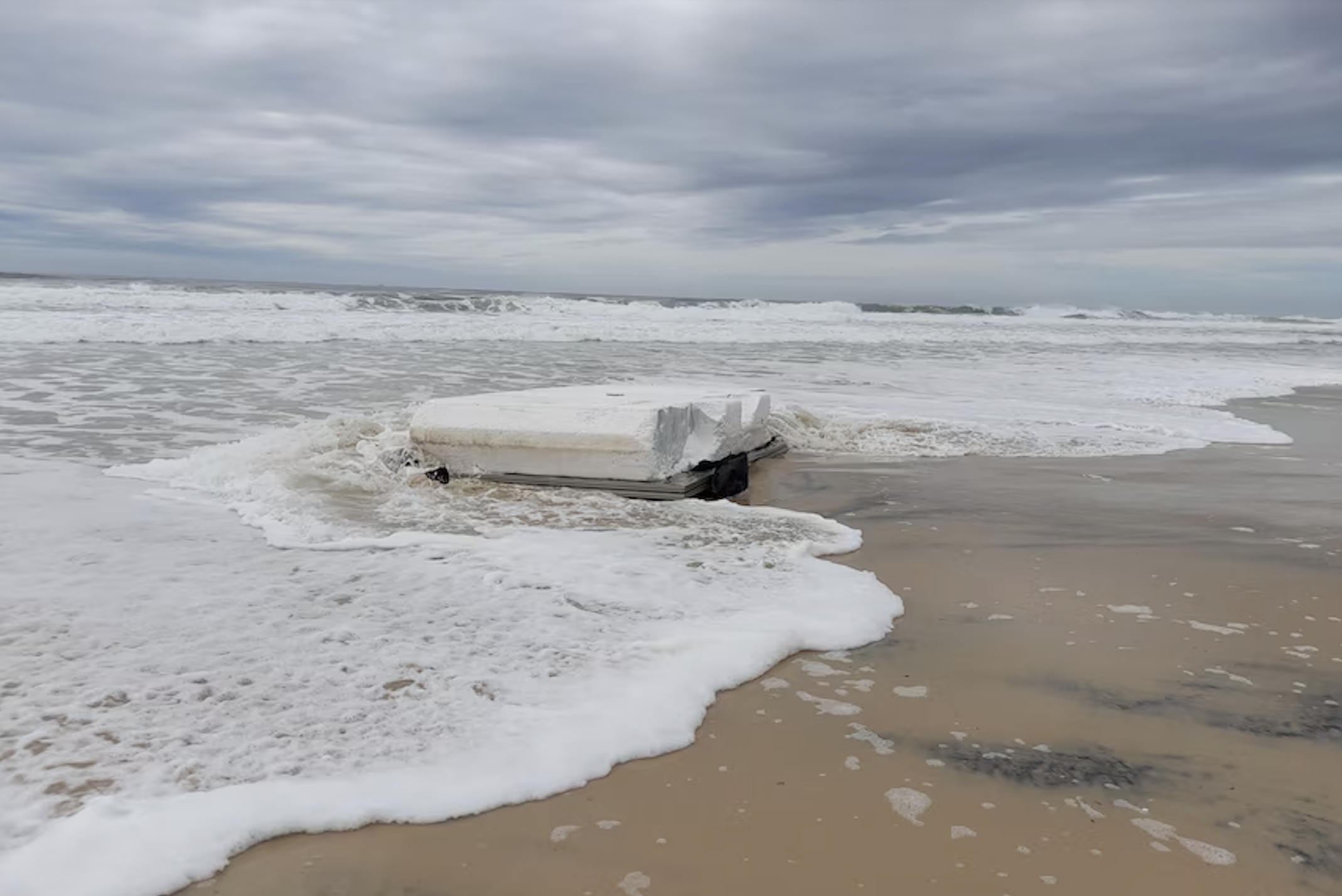
Storm loss has also become much more likely, with several significant ‘total loss’ events in the last decade. And in this circumstance, it doesn’t matter how well managed your marina is; the pontoons are going to end up on the rocks or the beach.
EPS made sense at the time, but I think we have moved on, and our responsibility to the planet is now better understood. Foam in old floats is escaping from our marinas at an increasing rate, and ultimately, it is our oceans that are paying the price.
ReefFloat is all about finding a sustainable alternative to this problem.”
— Toby Budd
ReefFloat Founder
EPS Foam escapes from pontoons for TWO reasons.
1:Attrition
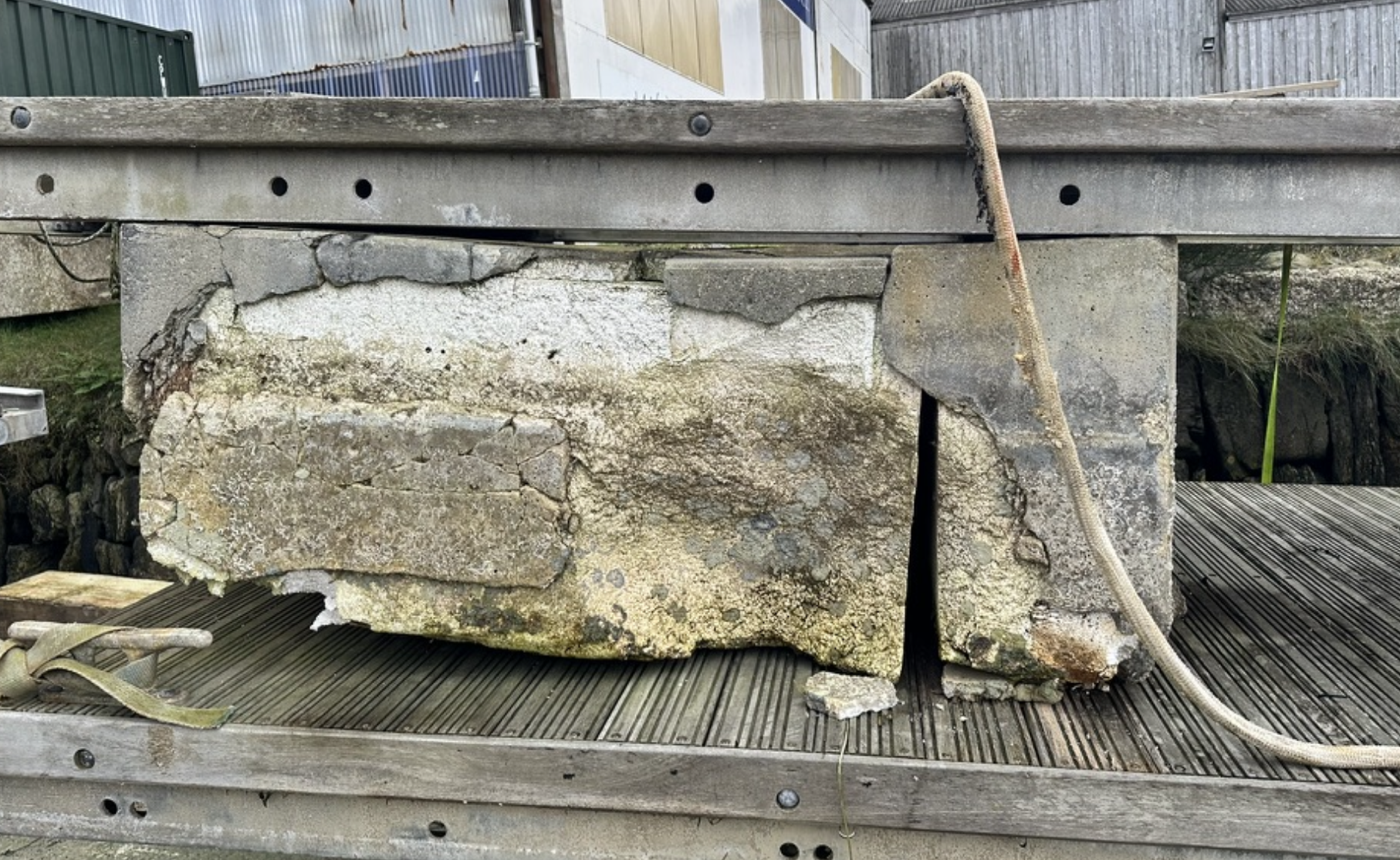
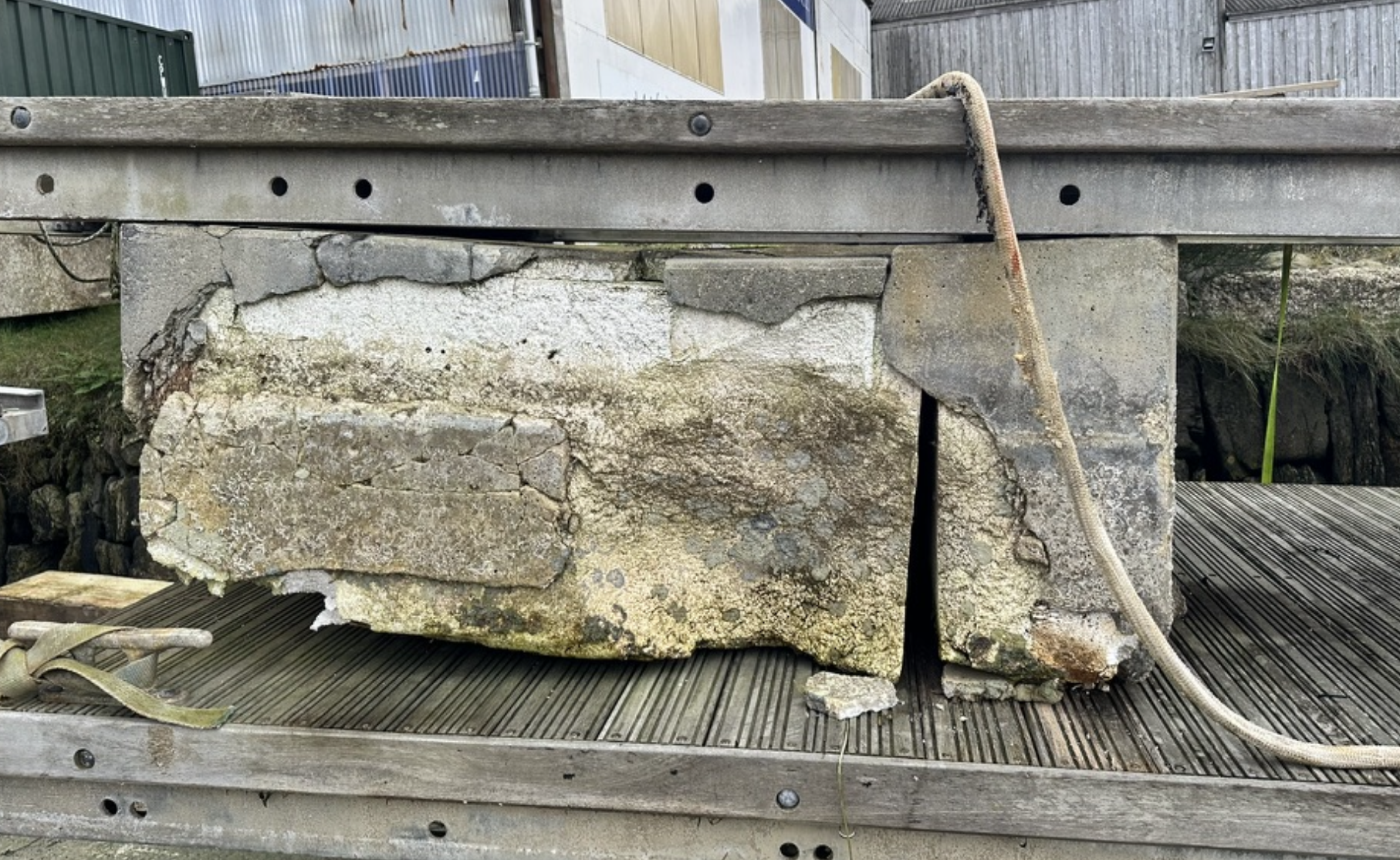
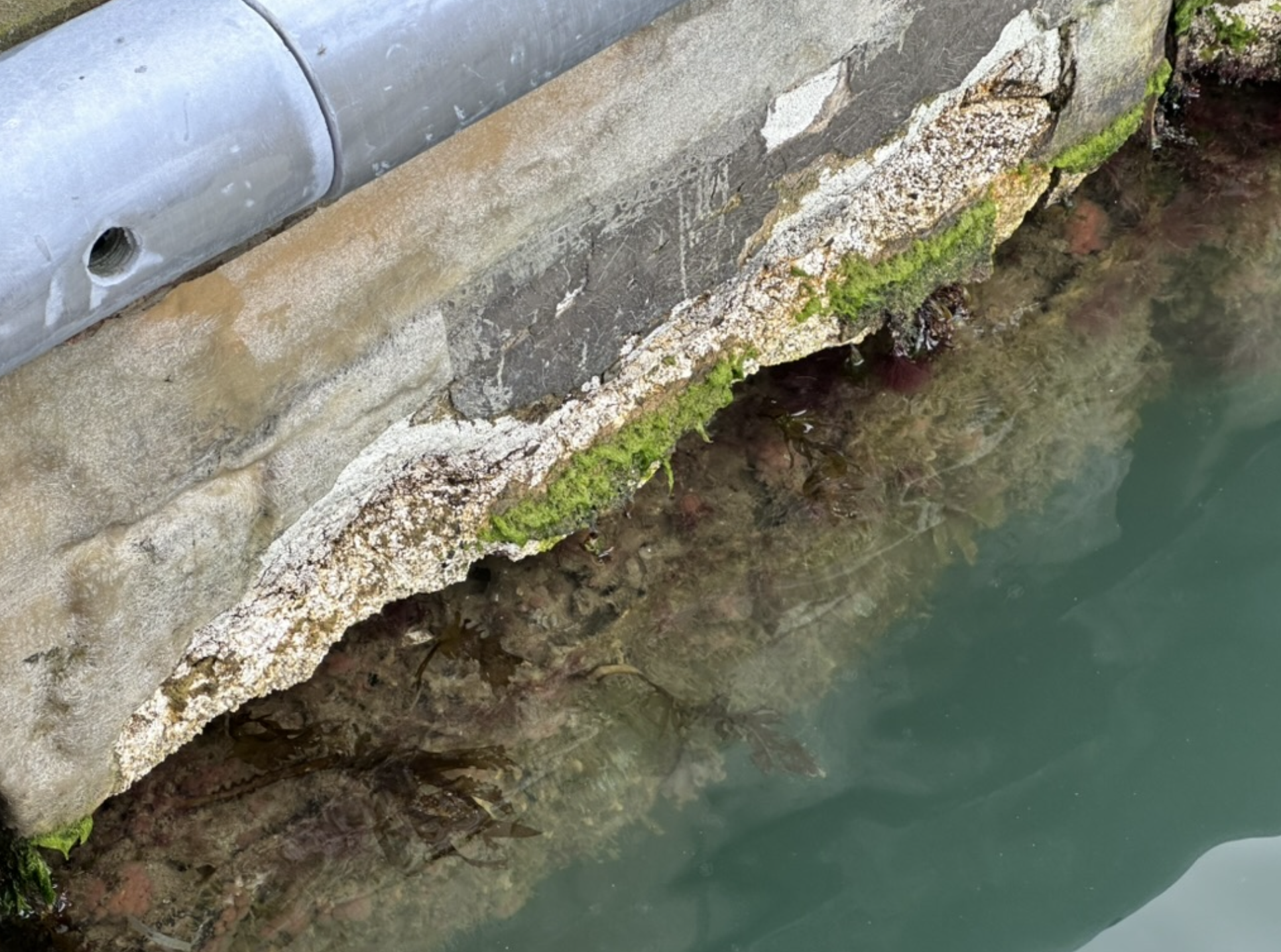
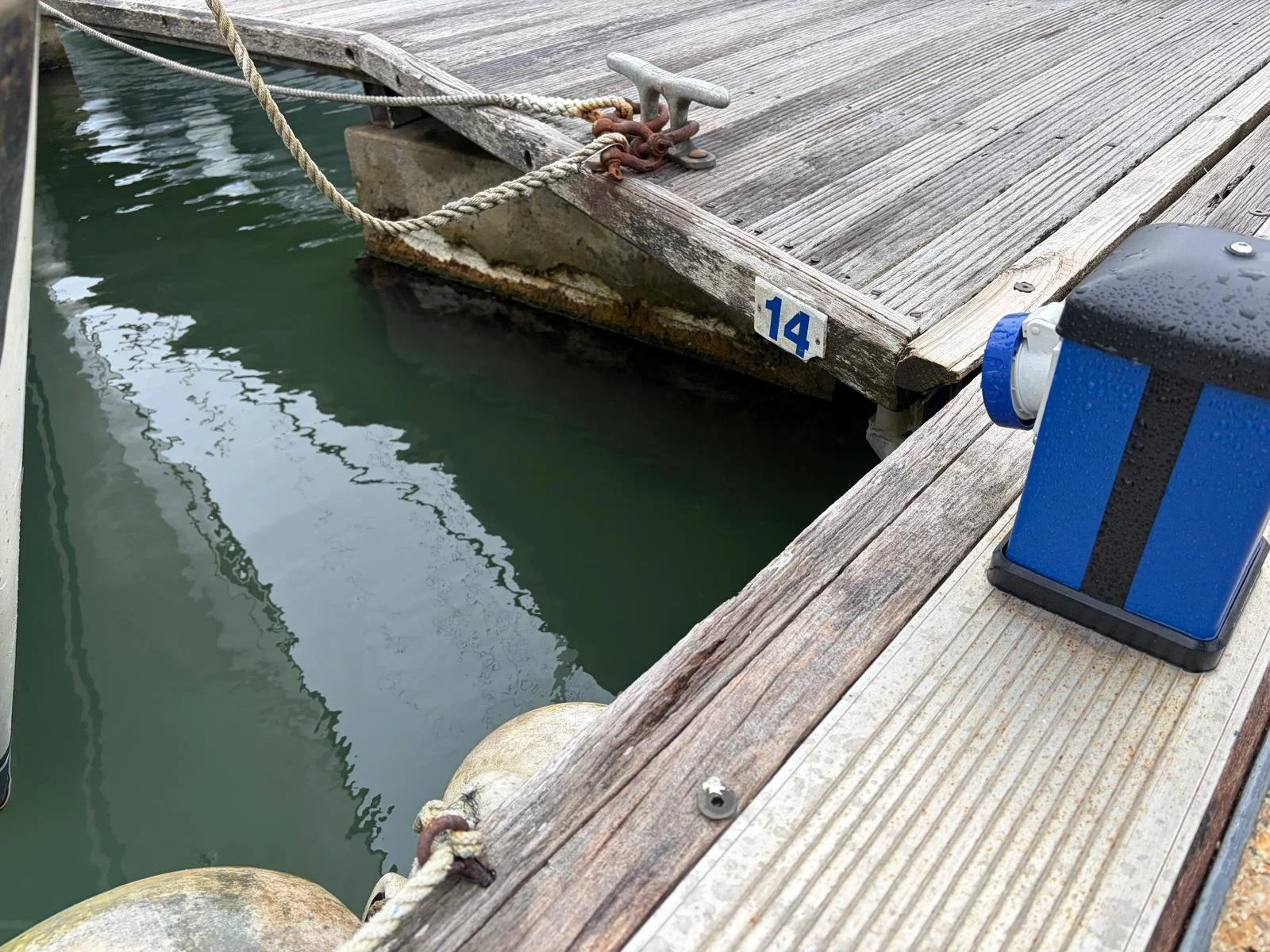
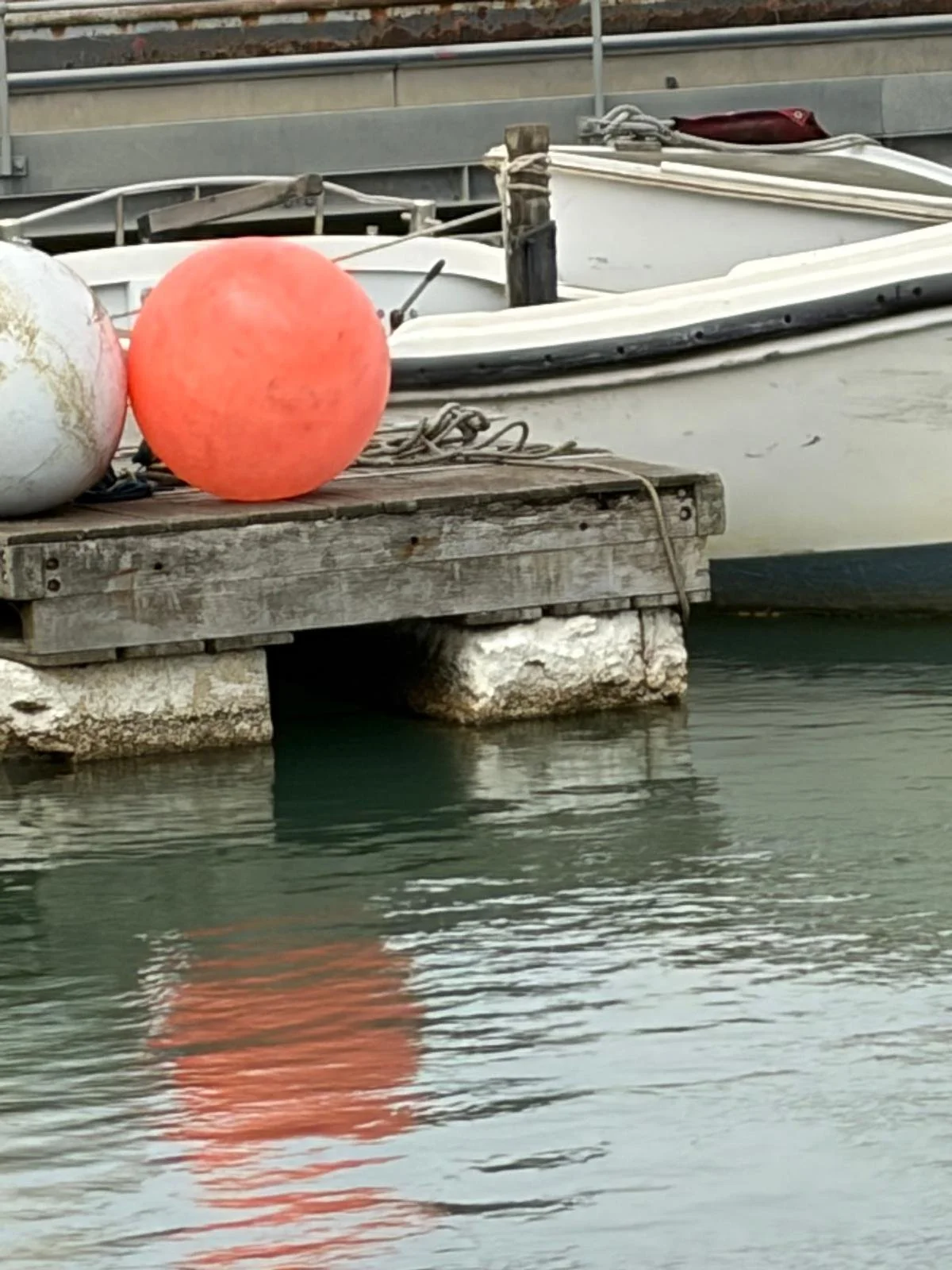
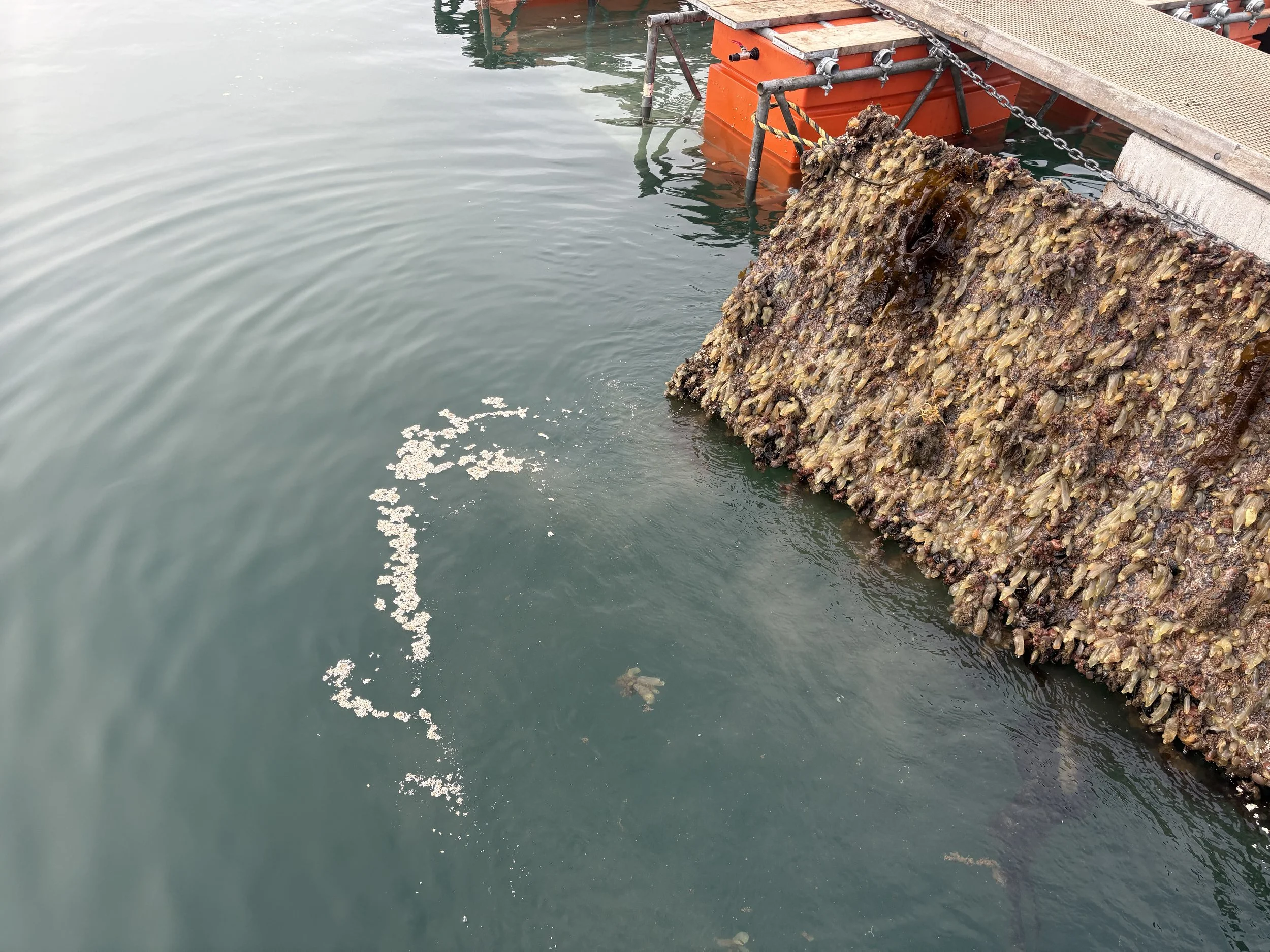
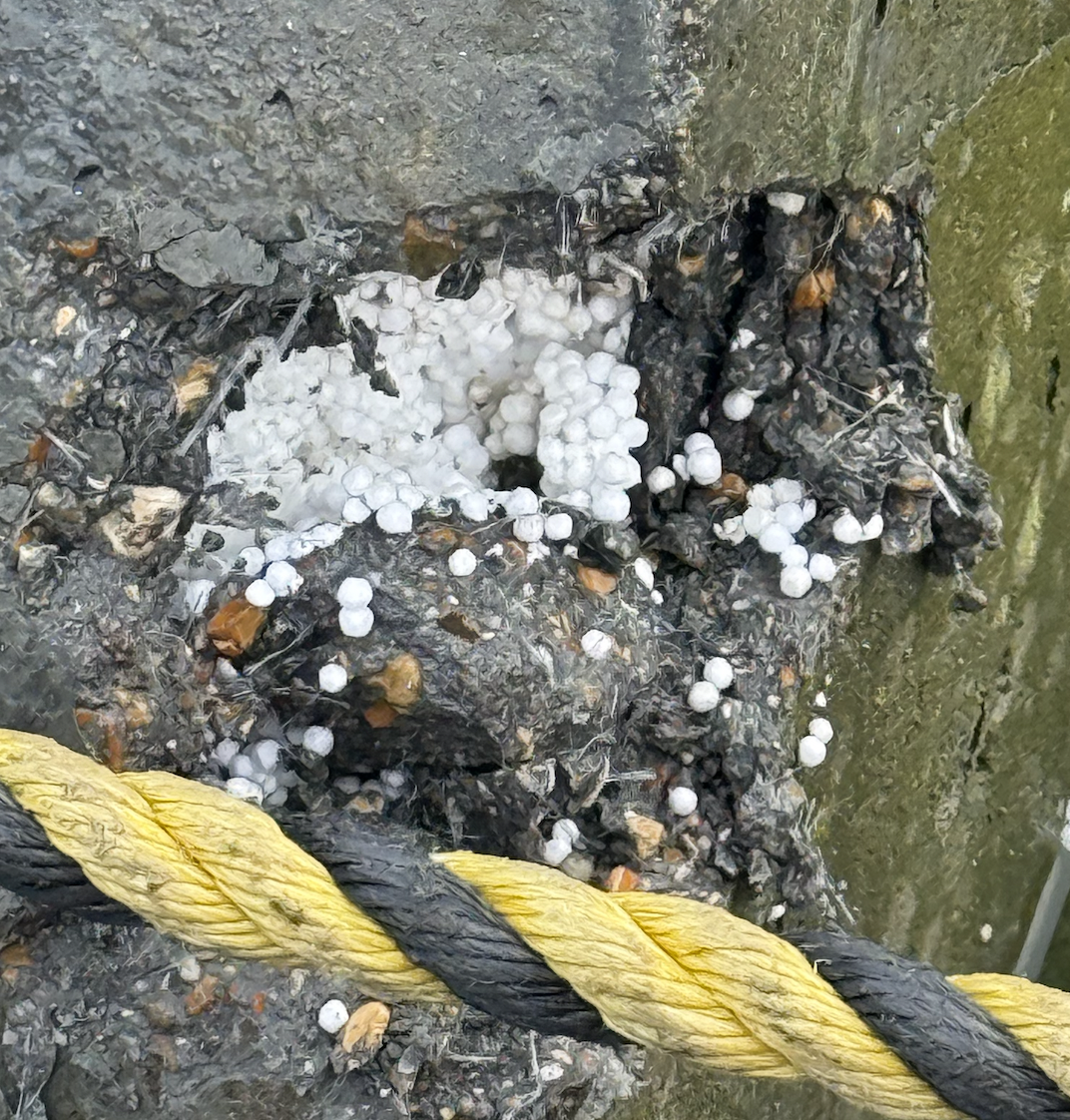
All EPS floats rely on a protective skin of concrete, plastic, or textile to stop the foam from escaping into the ocean. Over time, these skins crack, tear, and erode due to damage, grounding, wave fatigue, UV exposure, and marine growth.
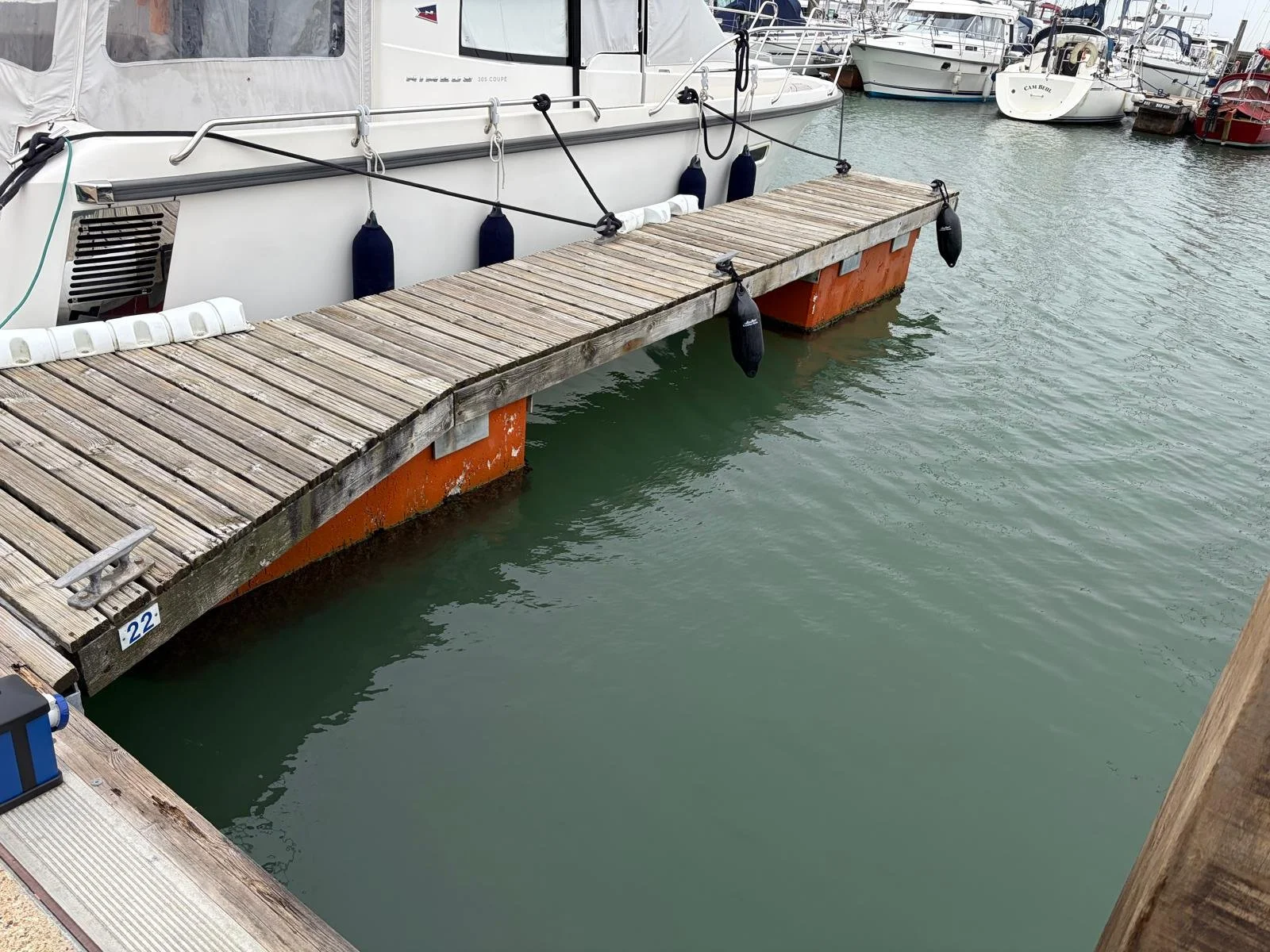
In sheltered, well-managed marinas, EPS foam floats pose very low risk to the environment. Many have a replacement programme in place, generally replacing floats every 30 years or so to ensure the foam does not escape. However, some will leave damaged floats under their pontoons, releasing foam until buoyancy and freeboard are so compromised that they are forced to replace them.
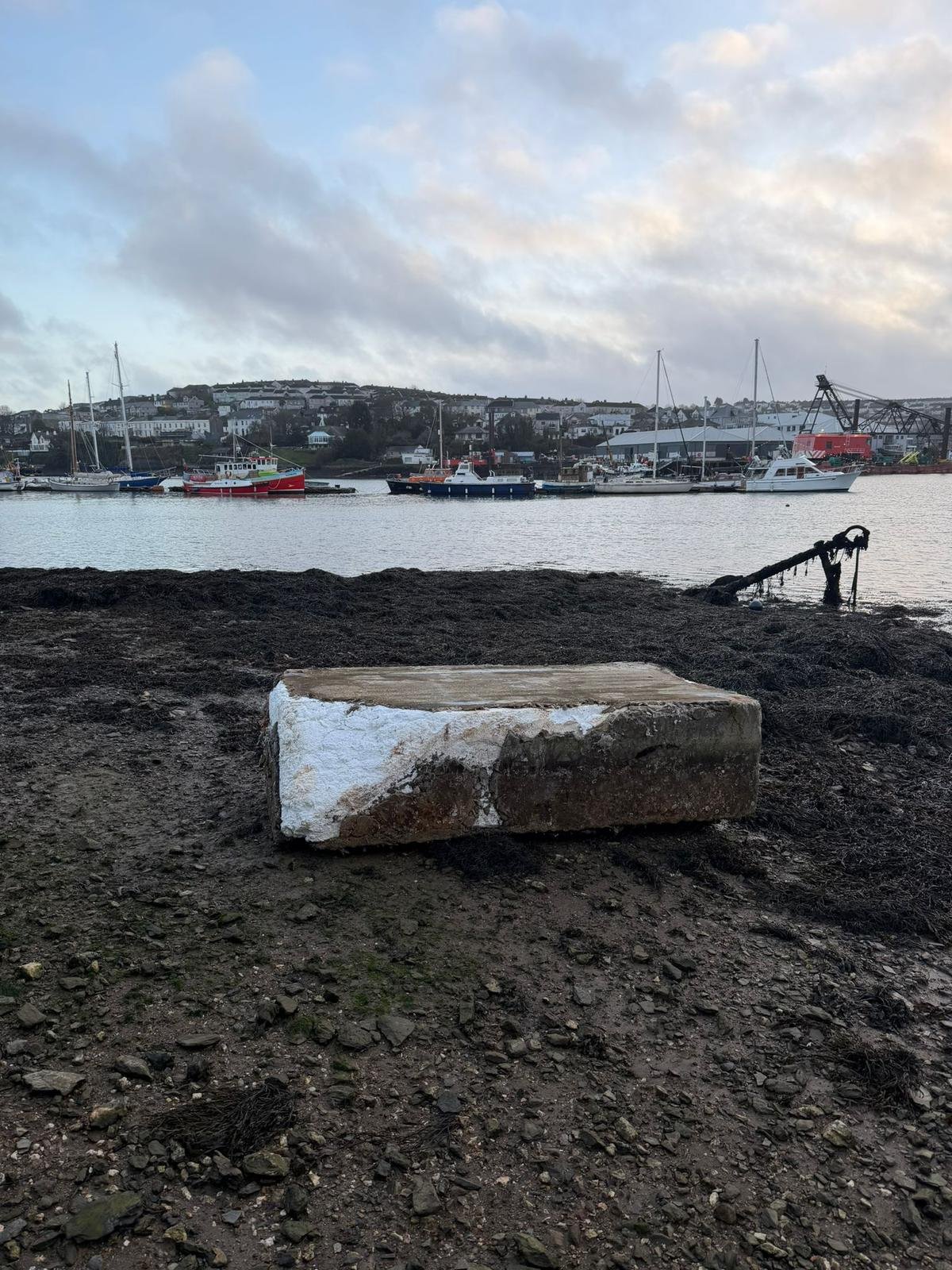
The second-hand pontoon market further compounds the problem. Many pontoons and floats are sold when larger marinas upgrade their pontoons, with them often ending up in old boatyards and up muddy creeks, where there is little interest in the environmental threat they pose.
One of the main drivers of the resale market is that EPS is largely treated as hazardous waste and must go to a landfill. The cost of this in the UK is so high that it is cheaper to buy a new float than to pay the proper disposal costs for an old one.
All these factors have created a massive environmental legacy, with millions of pontoon floats made in the 60s, 70s, 80s & 90s still afloat, damaged and releasing foam into the ocean every day.
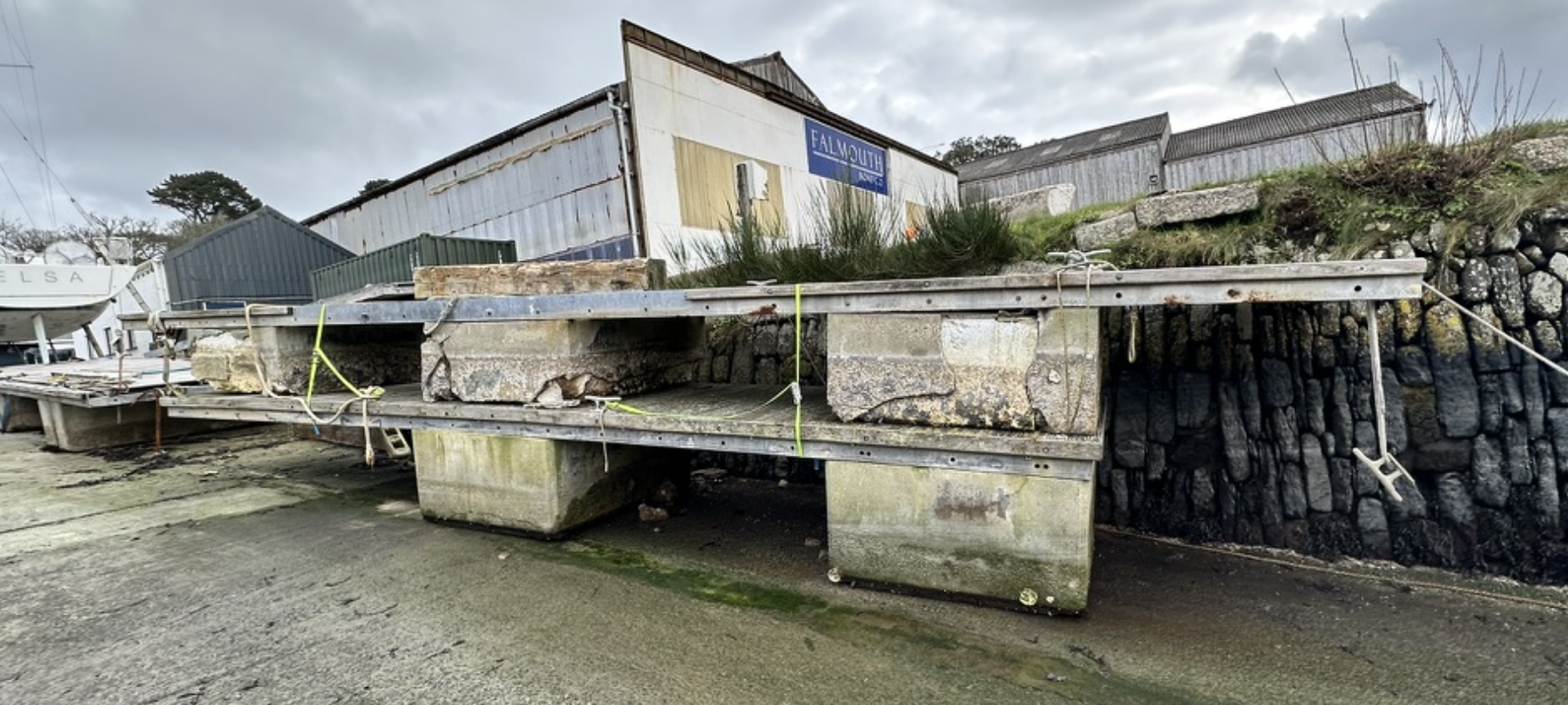
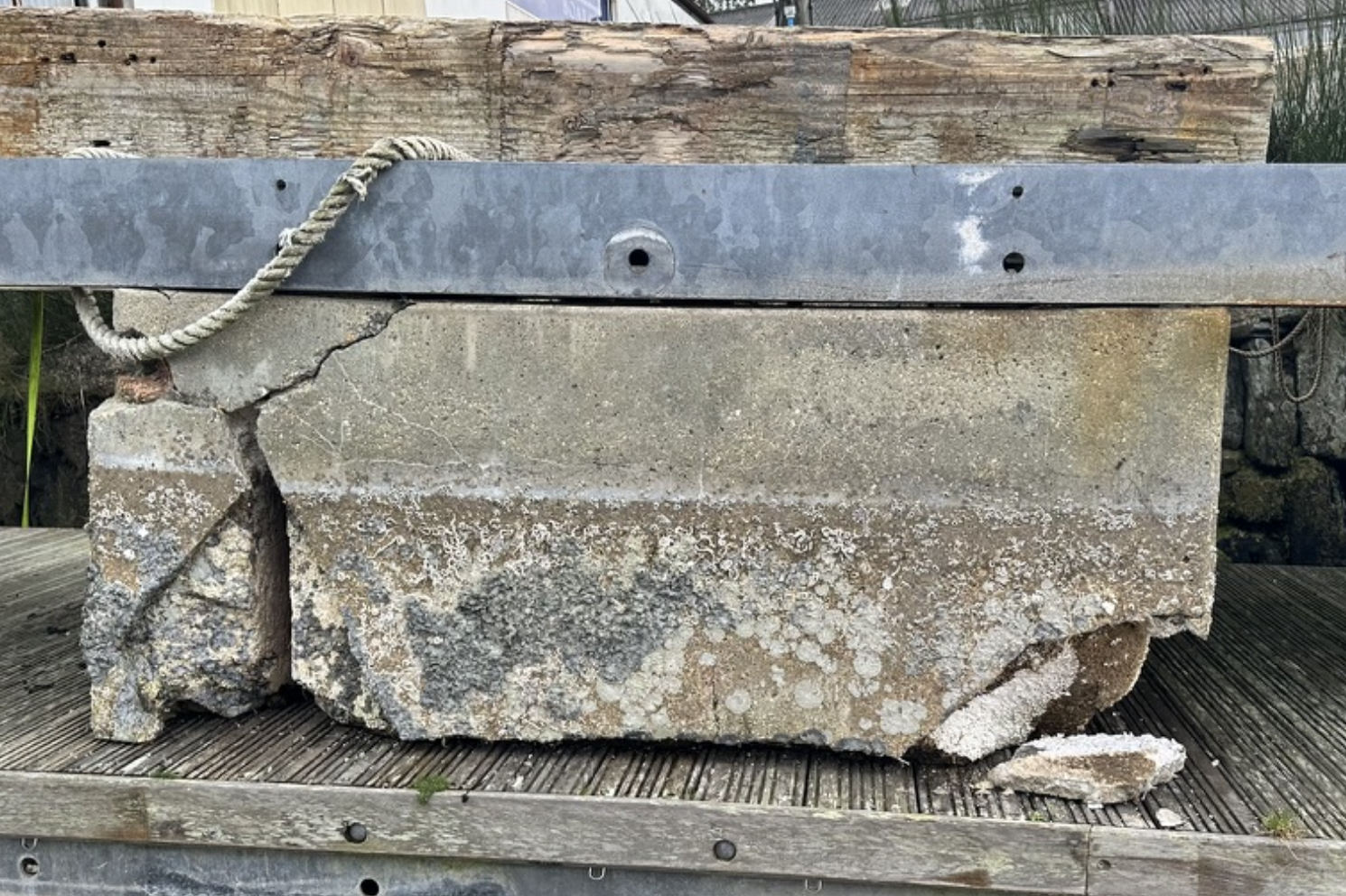
Below is a gallery of old floats (all in marinas or recently removed) that illustrates the problem.
2: Storms
We are seeing an increase in the number of pontoons and marinas being lost in severe weather events. This is happening for two main reasons:
The most sheltered marina locations were taken early on in the development of marinas in the 60s, 70s, and 80s. As the demand for berths has increased, so has the pressure on marinas to find new locations to build. This has inevitably led to many new marinas being built in exposed, higher-risk locations.
With increasingly severe weather events, more marinas and pontoons are being lost or washed out to sea.
In the UK, we have lost Holyhead Marina and suffered significant damage in the recent Storm Gorretti.
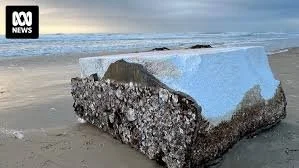
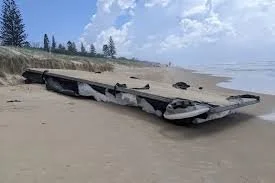
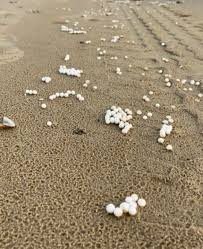
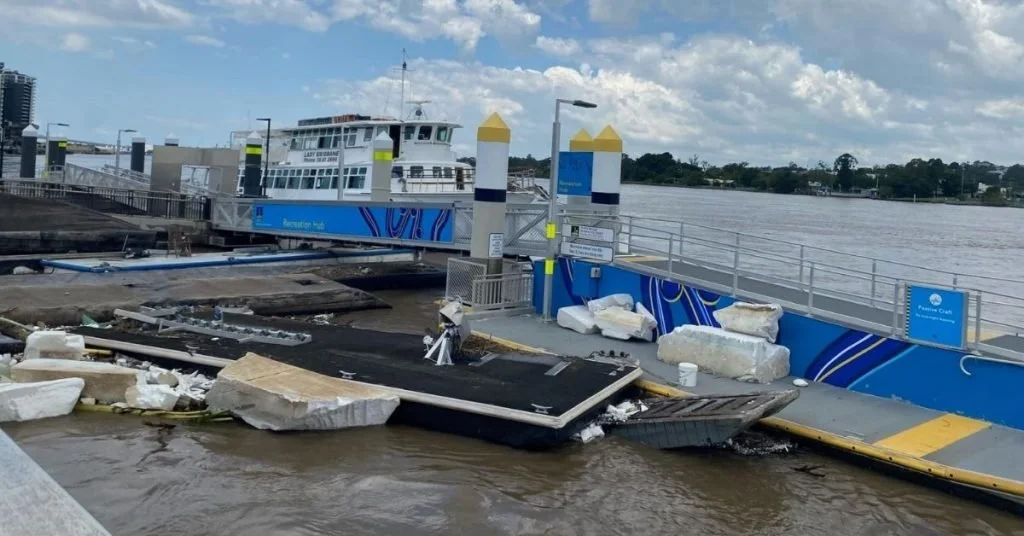
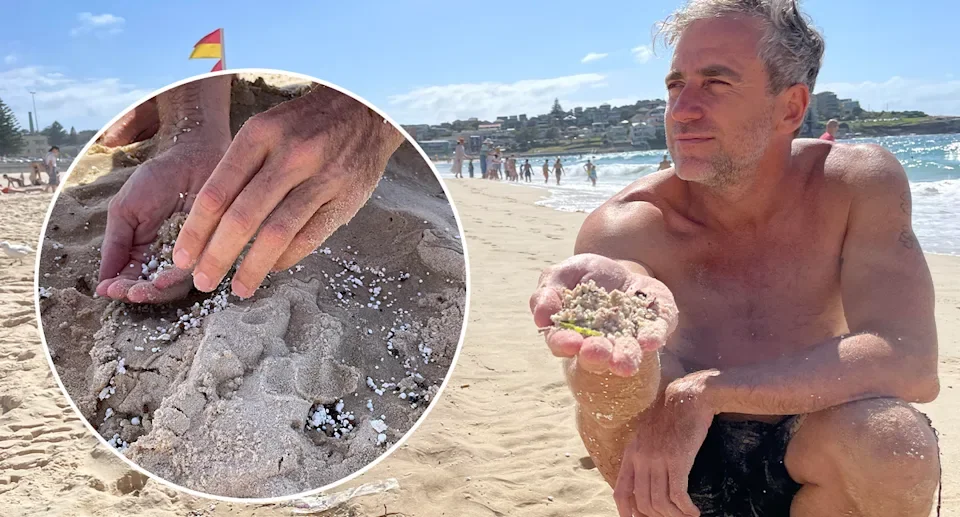
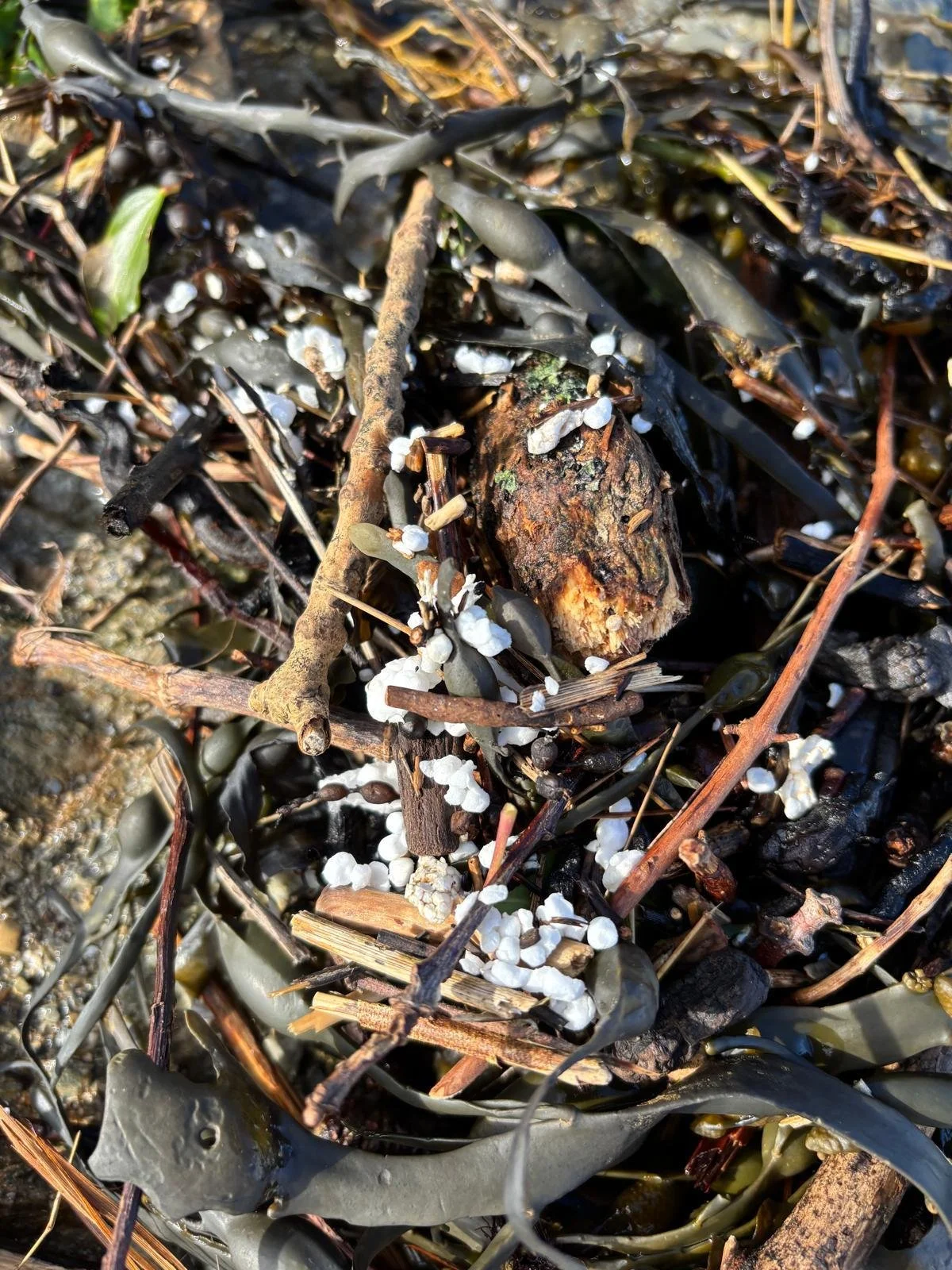
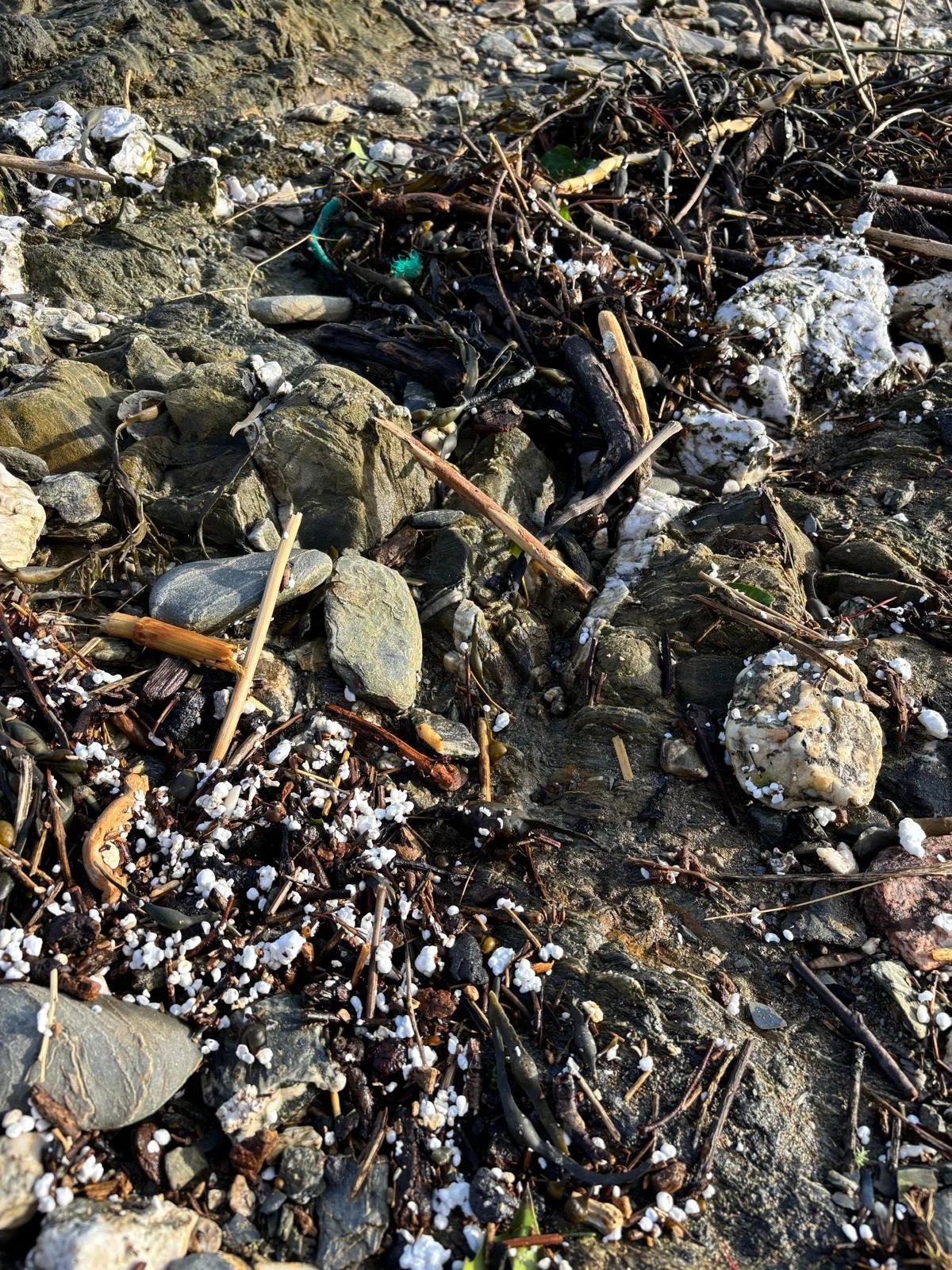
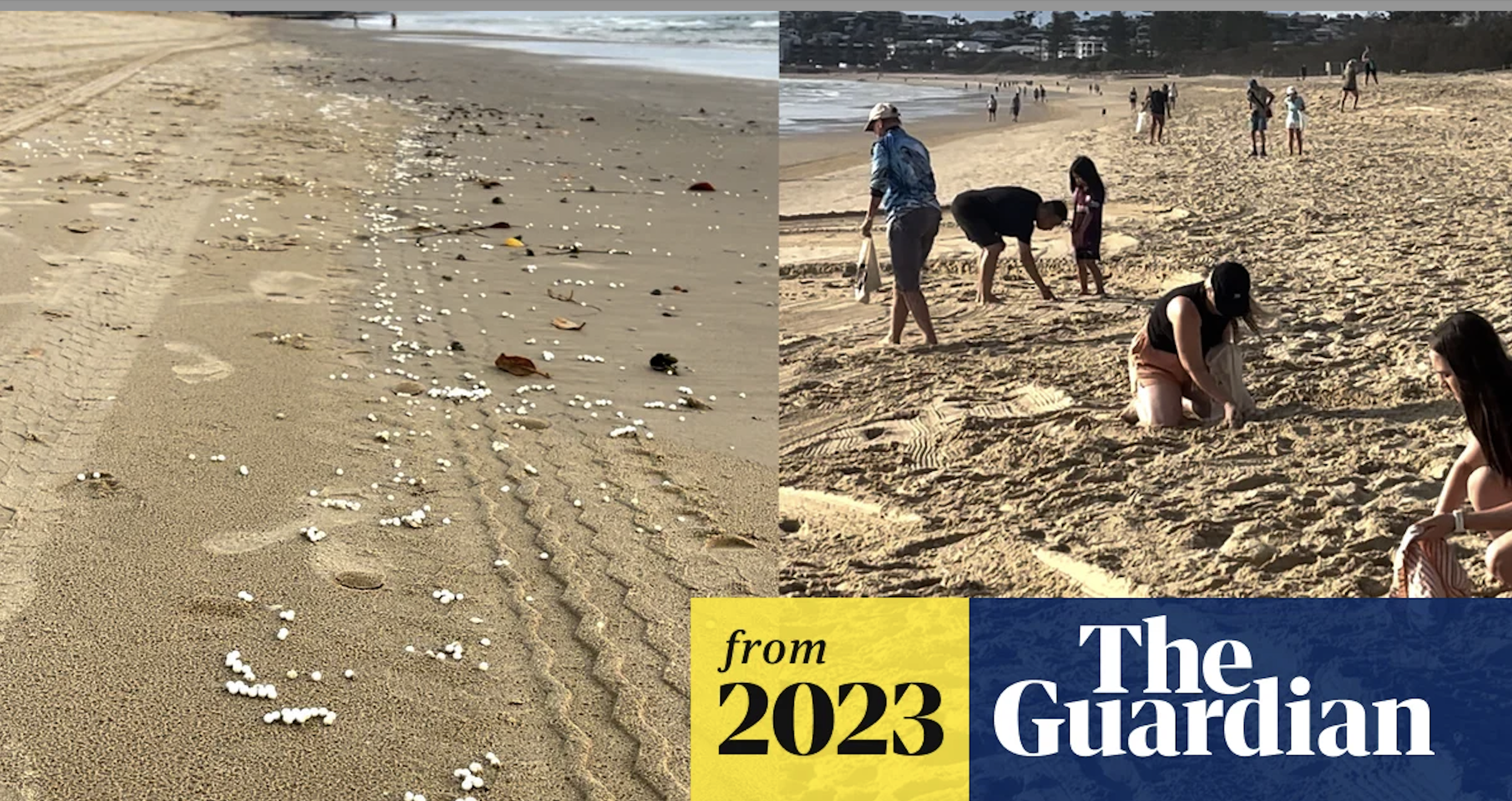
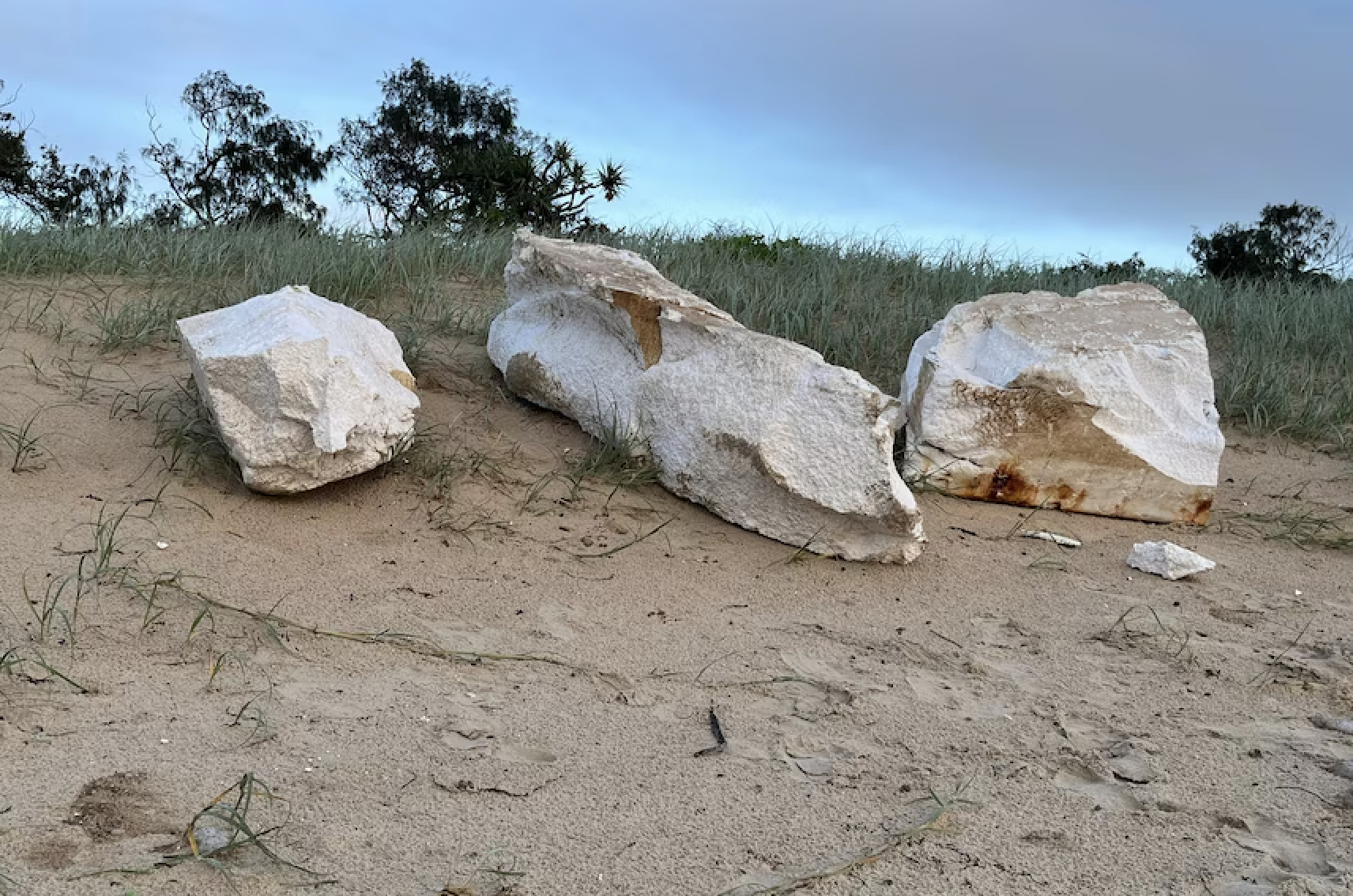
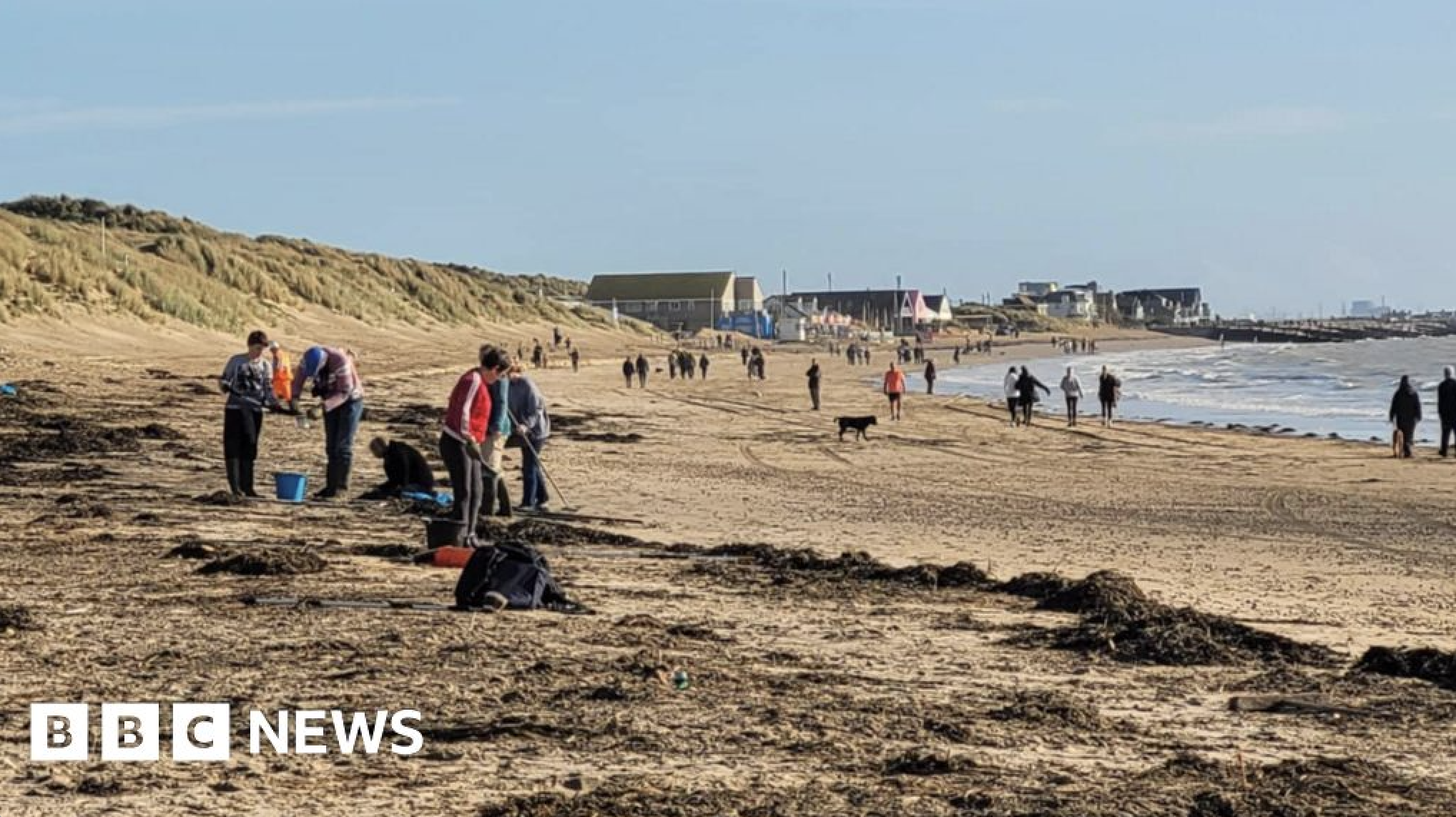
But this is nothing compared to the environmental disaster experienced by Australians in 2022, who named what followed the ‘White Spill’ after thousands of pontoons were lost in floods, resulting in the release of EPS balls from the pontoons that drifted out to sea and washed up on local beaches.
Nothing tells the rawness of the problem better than this video.
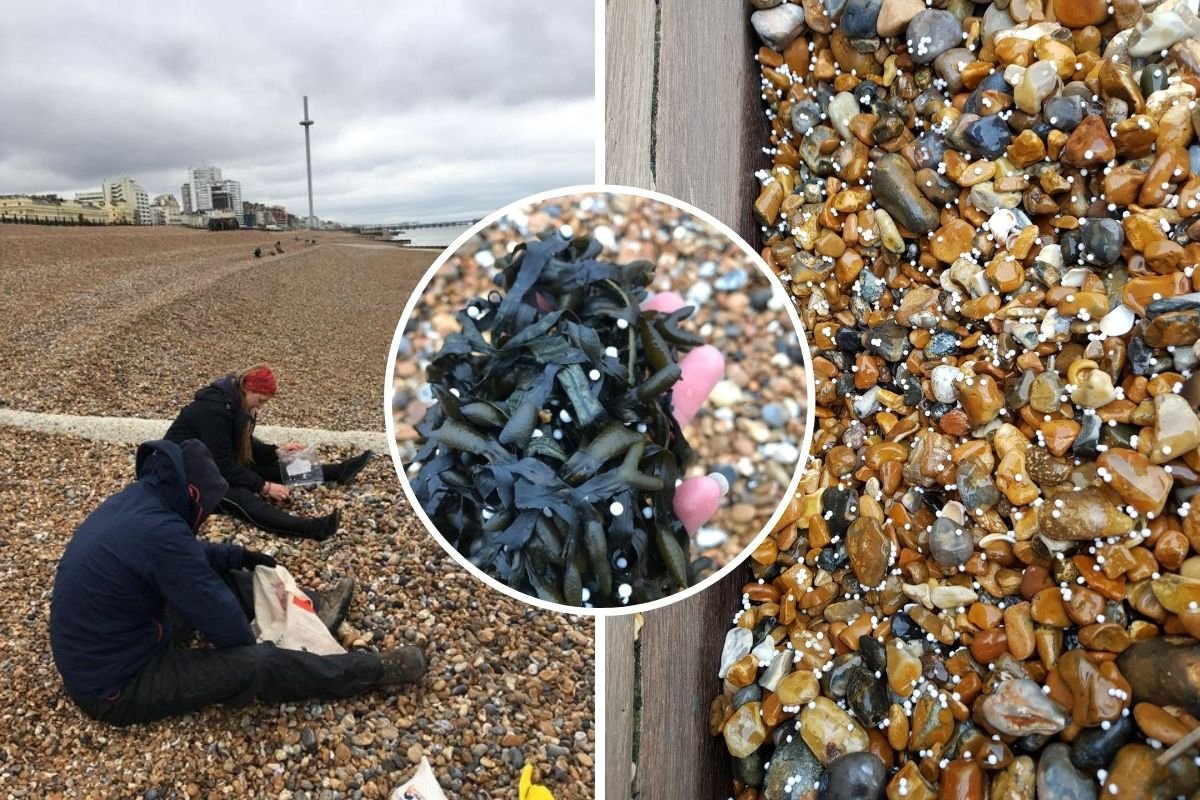
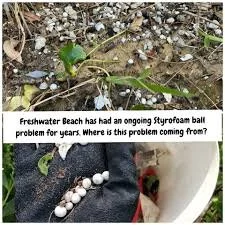
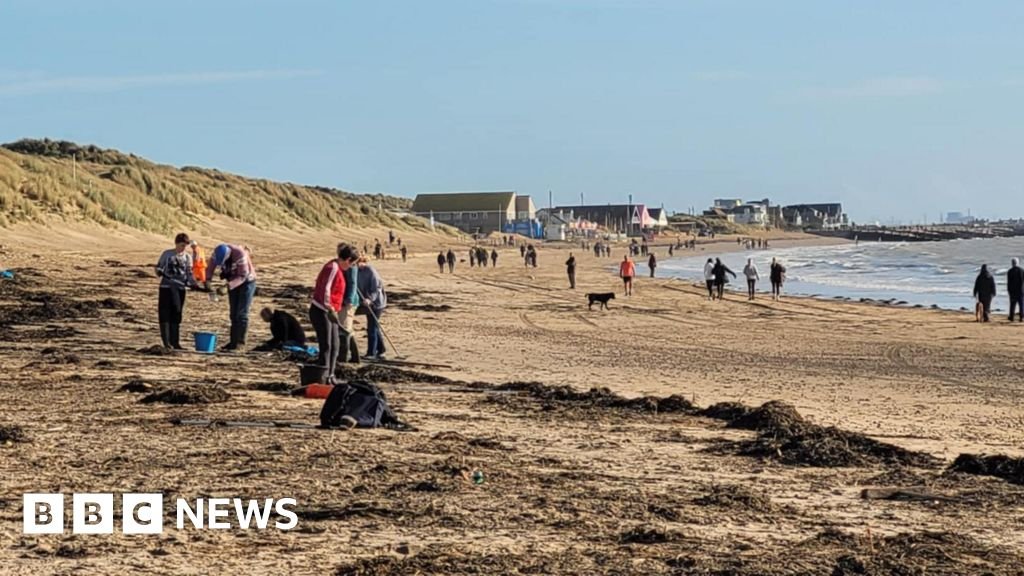
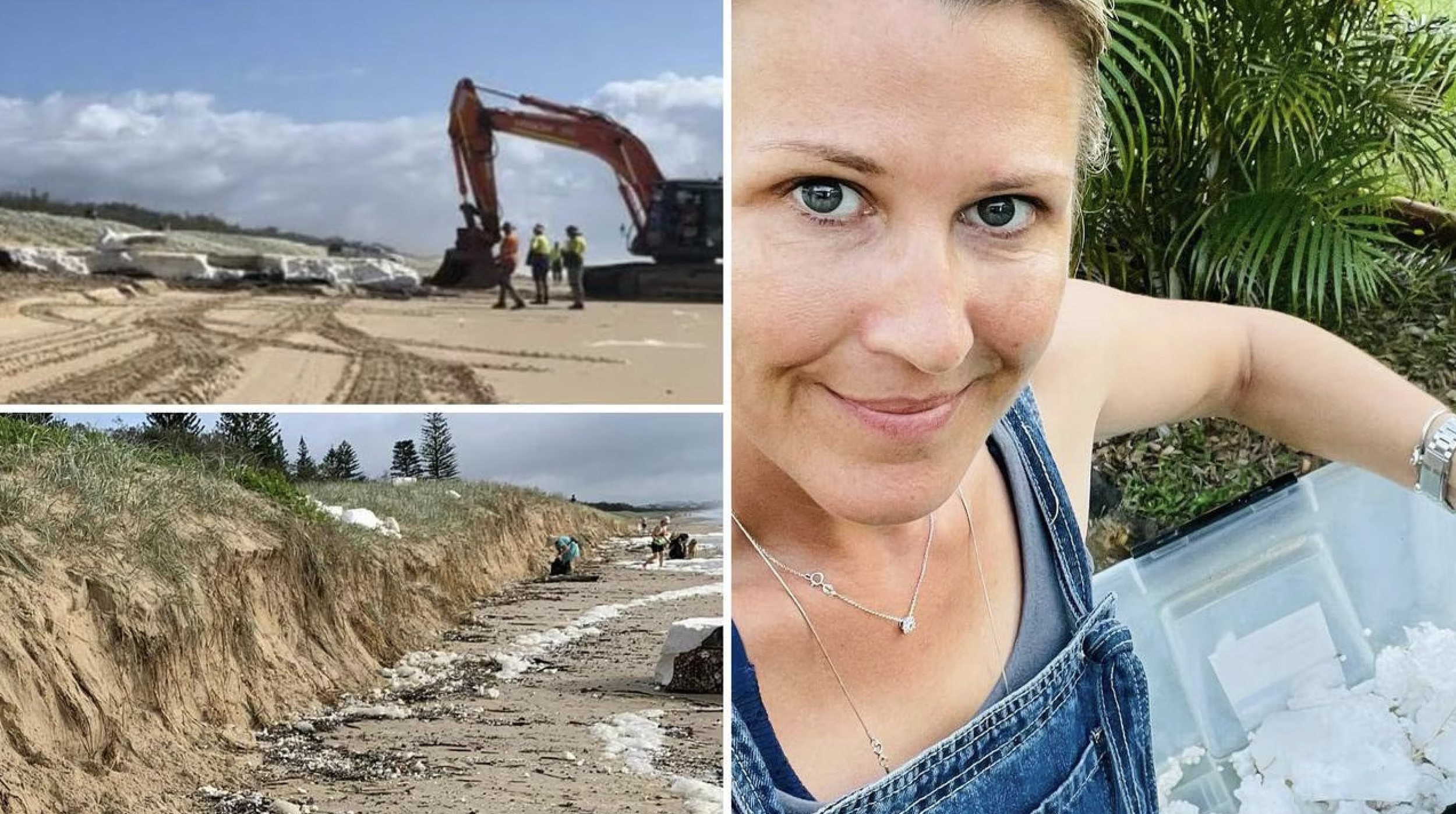
Why is it bad for the Ocean?
-
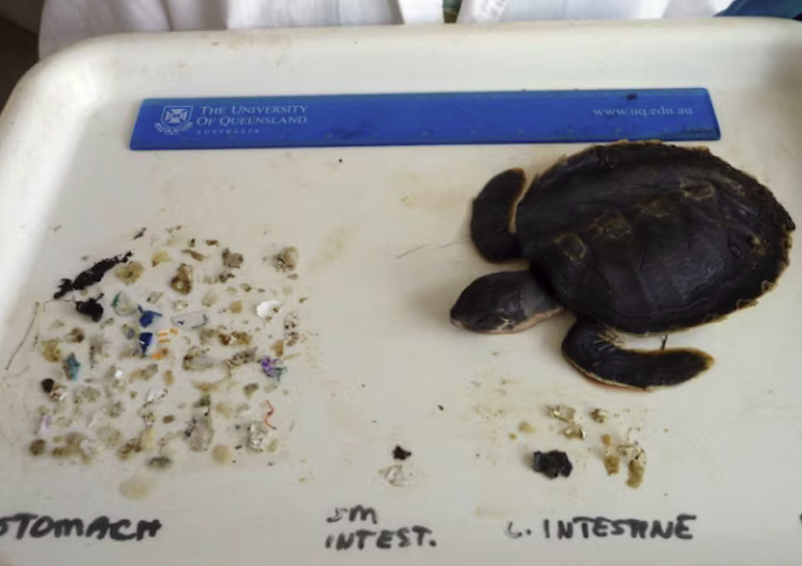
EPS takes hundreds of years to break down, and even then, it just turns into smaller microplastics in the ocean.
-
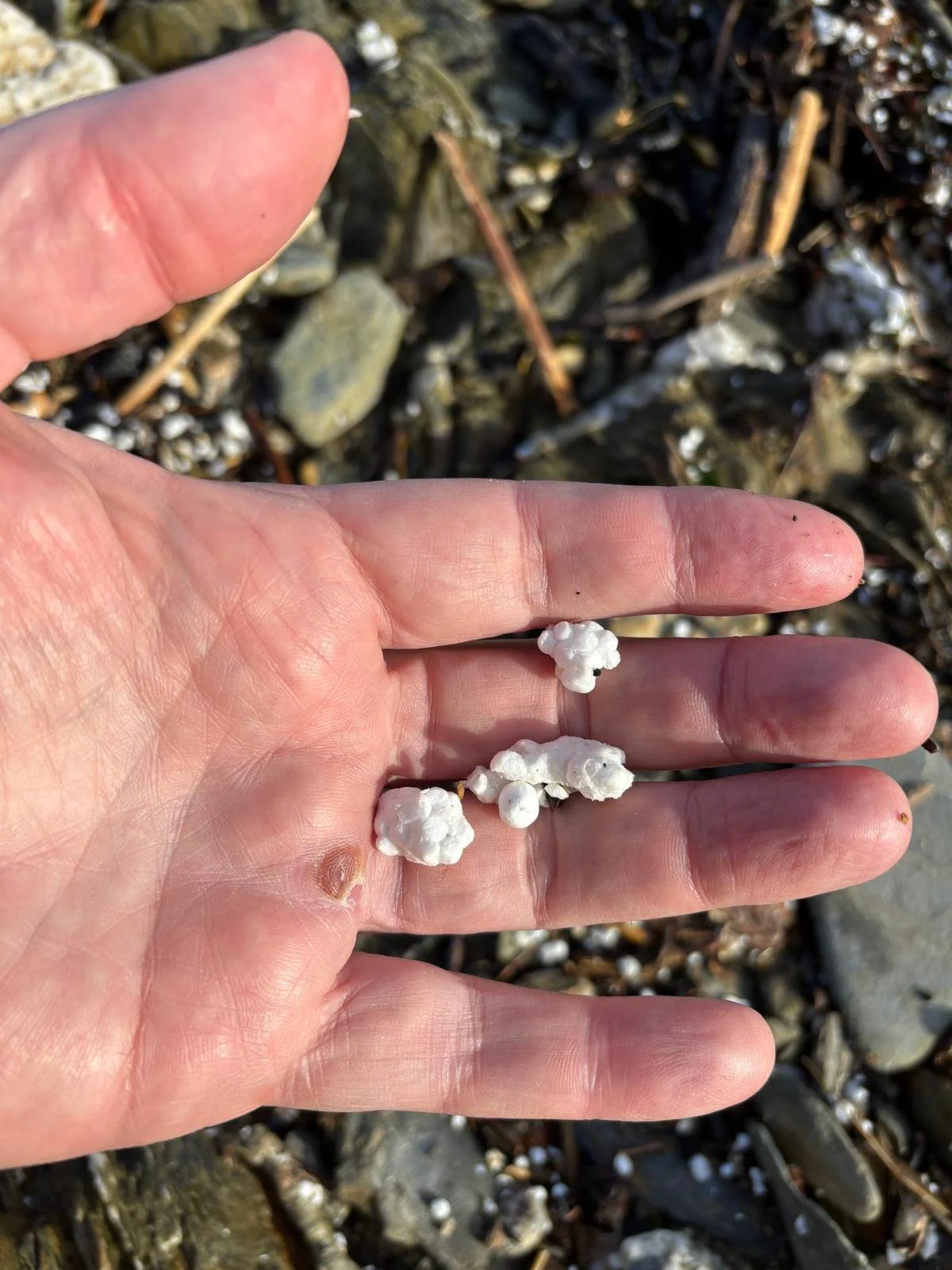
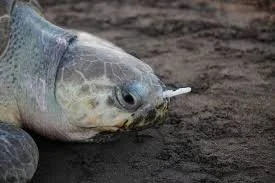
Clean white EPS balls look like food to sea birds, fish, turtles and other marine life.
-
Yes.
EPS undoubtably is entering our food chain.
How big is the problem?
-
It is hard to know an exact number, but our estimates are since the 60s around 10 million pontoons have been made globally using EPS for floats.
-
Just 1 cubic meter of EPS foam contains around 5 million individual white balls of EPS.
-
It is almost impossible to clean up at scale.
Whilst there are recognised technologies for clearing up an oil spill, like booms, chemicals and skimmers, there is no equivalent for EPS balls.Generally it relies on the public doing it by hand, sieving it out of sand, and using hoovers and leaf blowers.